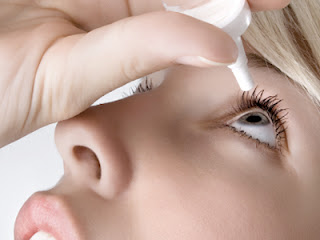
Showing posts with label eye drops. Show all posts

Tuesday, 2 April 2013

The Most Common Uses for Eye Drops


There are many different types of eye problems, all ranging in seriousness and being treatable in different ways. Some of the most common eye problems include glaucoma, irritated eyes and conjunctivitis. Eye drops are one of the most common ways to treat, prevent or control the problem as they provide soothing effects, helping the problem of the sufferer.

There are different eye drops to suit different conditions. Natural eye drops are usually used to treat conjunctivitis, irritated or dry eyes as they act as a lubricant and can help to sooth the eye. Natural eye drops are usually recommended as they don’t contain any preservatives, making sure the problem isn’t made any worse. The lubricating eye drops will act as artificial tears and are especially used for dry eyes. Lubricant eye drops may also be used for those who wear contact lenses. These may be specially prescribed, however natural eye drops are usually sufficient.


image from mental floss

Eye drops may also be prescribed for serious eye conditions, including glaucoma. The eye disease is due to a damaged optic nerve, caused by pressure behind the eye. Eye drops won’t cure the disease however it can prevent it from getting worse and control the condition. If the eye drops are prescribed it is likely they will contain medication to ease the problem, meaning over the counter eye drops may not be sufficient to treat the problem. Glaucoma usually affects both eyes and can eventually lead to complete loss of sight; therefore it is important to take sufficient steps to prevent it. Antibacterial eye drops are also prescribed to those who have infections in the eye. Keratitis is caused by a virus, bacteria or parasite which can be caused by using contact lenses whilst swimming or not taking proper care of the lenses.

These are the most common types of eye problems and it is important to visit your GP if necessary or take the appropriate measures to help the infection or problem in the eye.

Monday, 21 January 2013

Administering Eye Drops to a Child


The nature of children means that they are forever susceptible to afflictions and illnesses. The willingness to come into contact with one another and anything means that they are likely to pig up diseases and bugs. This is especially true when it comes to afflictions of the eye. Viral conjunctivitis is a common affliction amongst children as a side-product of a viral infection. This may require the administering of Eye Drops. This can be difficult due to the evasiveness of children and their unwillingness to cooperate. Here are a few tips to safely and easily administer Eye Drops to a child.


Firstly, it is important to make sure that your hands and fingers are free of dirt and completely clean. Wipe any dirt from the face of the child with a clean cloth. Shake the Eye Drops bottle, remove the lid and throw away the plastic seal.

Choose the position that they are most comfortable and cooperative in. Either:

  • Tilt the child’s head back in the standing or sitting position
  •  Lay the child flat on their back
  •  Keep your child held in a safe position by somebody that they trust

If you are administering the Eye Drops to a baby or a small child, wrap them in a blanket to keep their legs and arms still.

Gently pull down the lower eyelid of the child and without touching the bottle against the child squeeze in one drop. Aim for the inside of the lower eye lid and allow the child to blink a few times. This allows the Eye Drop to spread around the full extent of the eye.

Wipe away any excess Eye Drop residue with a clean cloth. If you are administering a second, different Eye Drop to the child, wait for a few minutes for the initial Eye Drop to sink in. If you are administering the Eye Drop to counter dry eyes then use Dry Eye Drops. Similarly, use Contact Lens Eye Drops when administering to a child wearing contact lenses.

Thursday, 20 December 2012

How to Allay the Damaging Effects of Cold Weather on your Eyes


There are many negative effectives upon your person by the cold weather. Both physically and psychologically, the body suffers from the declining temperatures. One of the most affected areas of the person are the eye. These beacons of sight into the world for the soul and mind can face months of torture that impair their abilities. The damaging effects can be numerous but there are preventative steps that can be taken.

Those who suffer from dry eyes through the year may struggle further during the coldest months. This is due to the weather adverse effects on the tear producing ability of the eye. An inability to produce tears will damage the eye’s ability to nourish and moisten itself. The most convenient way to solve this problem during the winter months is the administration of Eye Drops. It may be particularly pertinent for those who suffer from dry eyes throughout the year to use specially developed Dry Eye Drops. Similarly, those who wear contact lenses would benefit from investing in Contact Lens Eye Drops.


Snow blindness is another affliction that can be suffered by many during the winter months. Not technically a disease, snow blindness occurs when the ground is covered in a blanket of snow. The light reflected of the perfectly white surface gets into the eyes of those traversing it. This can lead to blurred vision or even total blindness. Despite looking out-of-place, wearing sunglasses could help alleviate this problem.

On occasion, the cornea may even freeze which can lead to massive impairments in vision, sensitivity to light, eyelid spasms, excessive tearing and extreme pain. Wearing an eye mask can help the eyes warm up and the corneas unfreeze. This will serve to help the problems decrease and decease, allowing you to enjoy the beautiful, cold weather all the more so.  

Thursday, 8 November 2012

Causes of Itchy Eyes and how to Soothe them


Itchy and red eyes can occur almost instantaneously without warning. Despite the fact that in most cases they do not have long-lasting, serious effects upon a persons welfare, they can be very irritating and can dent the confidence of sufferers.

Itchy eyes can bring with them a series of minor issues. The most common being irritation and lack of sleep. Without proper rest many are unable to function properly in their day to day lives. This can strongly affect personal and professional life. Secondly the redness and puffiness of the affected eyes can affect the confidence of the sufferer. Employers and colleagues may jump to the conclusion that the sufferer has not slept properly and question their professionalism.

eye drops


Itchy and red eyes can be caused by a number of different reasons and can be helped with a variety of solutions.

Dust and dander can settle on carpets during the summer months. When the winter comes around and the heating is turn on, the dust and dander often becomes airborne again. Prevent this problem by vacuuming regularly.

As loving as your pets are their hair may be irritating your eyes. Keep them out of bedrooms an living areas to reduce the effect of their hair upon your eyes.

Never smoke in rooms that do not have adequate ventilation as the smoke remains airborne and can irritate eyes. 

These are all preventative actions to take, however you cannot always have your guard up. If you have been affected by itchy or red eyes, there are measures to help alleviate these troubles. If a foreign body has entered your eye, the application of Eye Drops can wash the foreign body out. Those with naturally dry eyes should administer Dry Eye Drops to prevent further irritation to the affected area. Furthermore, contact lens wearers should used specially formulate Contact Lens Eye Drops to ensure total satisfaction.